

Working Principle and Features of a Mixed Positive and Negative Pressure Pneumatic Conveying System
For industrial applications requiring efficient and flexible material handling, the mixed positive and negative pressure pneumatic conveying system stands out as a versatile solution. This technology combines the benefits of both positive and negative pressure systems to optimize material transport, making it suitable for a wide range of industries. Below, we explore the working principle and key features of such a system, along with insights into its practical applications and the company behind its development.

Introduction to Mixed Positive and Negative Pressure Pneumatic Conveying Systems
A mixed positive and negative pressure pneumatic conveying system is designed to transport bulk materials through a pipeline using a combination of air pressure and vacuum. Unlike traditional systems that rely solely on one pressure type, this hybrid approach allows for greater control over the conveying process, enabling the handling of diverse materials with varying properties. The system is particularly effective for long-distance or complex route applications where a single pressure method might be insufficient.

Working Principle of the System
The operation of a mixed positive and negative pressure system involves a sequence of steps that utilize both positive and negative pressure phases. Initially, the system may use positive pressure to draw material from a hopper or storage bin into the conveying line. This phase ensures that the material is efficiently loaded into the pipeline. Once the material is in the line, the system transitions to a negative pressure phase, which helps to pull the material forward and maintain a consistent flow. The alternating use of positive and negative pressure allows for the creation of a stable, continuous flow of material, reducing the risk of blockages and ensuring reliable transport.
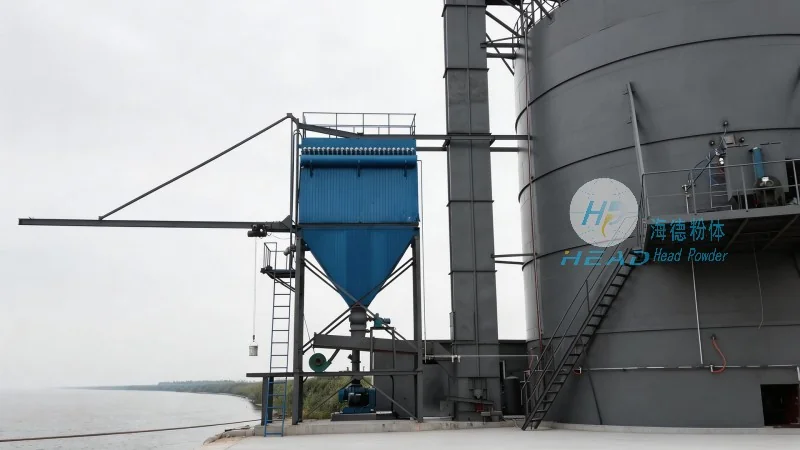
Key Features and Technical Advantages
One of the primary advantages of this system is its adaptability to different material types and conveying distances. By combining positive and negative pressure, the system can handle materials that are prone to clumping or require gentle handling, such as powders, granules, and fine particles. Additionally, the mixed pressure approach minimizes energy consumption compared to systems that rely solely on high-pressure air, as the vacuum phase can be utilized to draw material without excessive energy input. The system also features adjustable pressure controls, allowing operators to optimize the conveying process based on material characteristics and pipeline length.
Applications in Various Industries
The mixed positive and negative pressure pneumatic conveying system is widely used across multiple sectors, including food processing, pharmaceuticals, chemicals, and mining. In the food industry, it is employed to transport ingredients like flour, sugar, and spices, ensuring hygienic and efficient handling. In pharmaceutical manufacturing, the system is preferred for its ability to maintain sterile conditions and handle sensitive materials without contamination. Similarly, in chemical and mining applications, it facilitates the transport of powders and granules over long distances with minimal degradation. The system's flexibility makes it an ideal choice for facilities that require frequent changes in material types or operational parameters.

About Shandong HeadPowder Engineering Co., Ltd.
Shandong HeadPowder Engineering Co., Ltd., a leading manufacturer in the field of pneumatic conveying systems, specializes in developing and supplying advanced solutions for material handling. With a focus on innovation and customer satisfaction, the company has built a reputation for delivering high-quality equipment that meets the demands of modern industrial applications. HeadPowder's mixed positive and negative pressure systems are engineered to provide reliable performance, low maintenance costs, and energy efficiency, making them a preferred choice for businesses seeking to enhance their material transport capabilities. The company's headquarters is located in Shandong, China, where it continues to invest in research and development to stay at the forefront of the industry.