

Working Principle and Features of Glucose Powder Pneumatic Conveying Equipment
Glucose powder pneumatic conveying equipment is a specialized system designed to transport glucose powder efficiently and safely. This equipment is crucial in industries where handling fine powders like glucose is essential, ensuring consistent performance and minimal product loss. The following sections will explore the working principle and key features of such equipment, highlighting how it operates and what makes it a reliable choice for material handling.


Working Principle of Glucose Powder Pneumatic Conveying Equipment
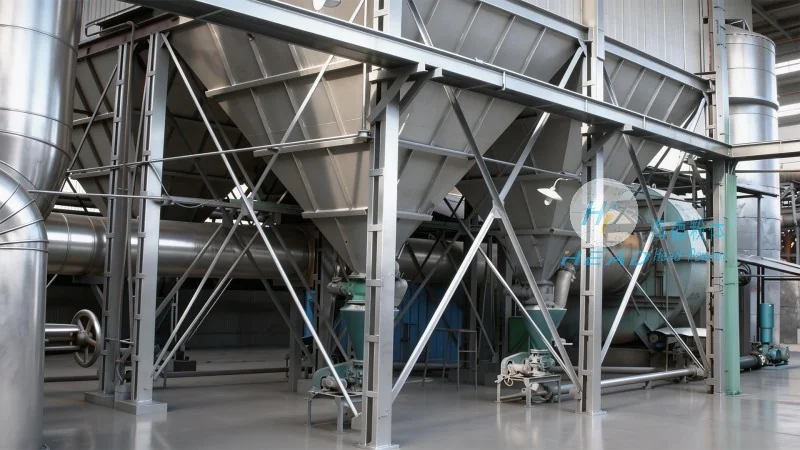
The core of a glucose powder pneumatic conveying system lies in its ability to use air as the conveying medium. The process typically involves several key components: a hopper for storing the glucose powder, a blower or air compressor to generate the necessary air pressure, a pipeline network to transport the powder, and a receiver or discharge point where the material is deposited. As the blower operates, it draws air into the system and forces it through the pipeline. The glucose powder is then introduced into the air stream, either by gravity or through a feeder mechanism. The air and powder mixture travels through the pipeline, maintaining a consistent flow rate to prevent clogging or separation. Upon reaching the discharge point, the air is separated from the powder, often using a cyclone separator or filter, and the powder is collected in the receiver. This method eliminates the need for mechanical components like belts or screws, reducing maintenance and increasing operational efficiency.

Key Features of Glucose Powder Pneumatic Conveying Equipment
Several distinct features make glucose powder pneumatic conveying equipment an ideal solution for handling fine powders. Firstly, it offers high efficiency in material transport, capable of moving large volumes of glucose powder over considerable distances with minimal energy consumption. The system is also highly flexible, allowing for changes in the conveying route or capacity without significant modifications. Another critical feature is its ability to maintain product quality, as the enclosed system prevents contamination from external sources and minimizes dust exposure, which is vital for glucose powder used in pharmaceutical or food applications. Additionally, the equipment is designed for easy cleaning and maintenance, with components that can be disassembled and sanitized, ensuring compliance with industry standards. Environmental considerations are also addressed, as the system reduces the need for manual handling and minimizes dust emissions, contributing to a cleaner working environment. The use of air as the conveying medium also means there is no direct contact between the powder and mechanical parts, reducing the risk of product degradation or contamination from wear and tear.
Application and Advantages in Industrial Settings
In industrial settings, the use of glucose powder pneumatic conveying equipment provides several advantages. For manufacturers dealing with glucose powder, this system ensures consistent and reliable material transfer, which is essential for maintaining production schedules and product quality. The enclosed design helps in controlling dust, which is beneficial for both worker safety and product purity. The system's ability to handle fine powders without clogging or segregation makes it suitable for applications where uniformity is critical, such as in the production of glucose-based products or pharmaceuticals. Furthermore, the equipment's compact design and low space requirements make it adaptable to various plant layouts, even in existing facilities. The reduced maintenance needs and lower energy costs over time also contribute to its economic viability, making it a cost-effective solution for long-term material handling needs. By integrating this technology, companies can enhance their operational efficiency while adhering to industry regulations and standards.