

Working Principle and Characteristics of Gypsum Pneumatic Conveying
HeadPowder, a leading enterprise in the field of material handling solutions, specializes in the design, manufacturing, and installation of pneumatic conveying systems for various industrial applications. Based in Shandong, China, the company has established itself as a reliable partner for clients seeking efficient and reliable methods to transport bulk materials like gypsum. This article provides an in-depth exploration of the working principle and key characteristics of gypsum pneumatic conveying systems, highlighting the technological advancements and operational advantages that make them indispensable in modern industrial processes.
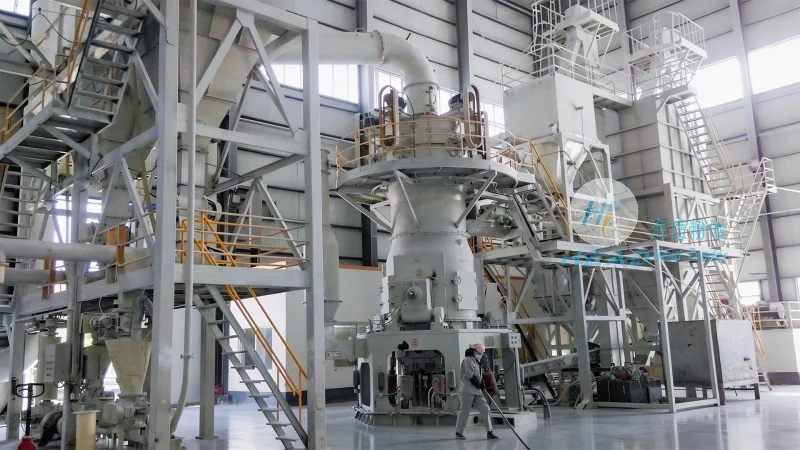
Understanding the Working Principle of Gypsum Pneumatic Conveying
Gypsum pneumatic conveying systems operate on the fundamental principle of transporting bulk materials through a pipeline using a gas stream, typically air or a combination of air and other gases. The process involves several critical components and steps that ensure the efficient movement of gypsum from the source to the destination. At the core of the system is a blower or fan that generates the necessary airflow to create a pressure differential within the pipeline. This differential is essential for overcoming the resistance of the material as it moves through the system.
The system typically includes a hopper or feeder that stores the gypsum and feeds it into the pipeline. As the material is introduced, the air stream, often at a velocity sufficient to suspend the particles, carries the gypsum along the pipeline. The design of the conveying line, including the use of bends, elbows, and other fittings, is crucial for maintaining the flow and preventing blockages. The system may also incorporate cyclone separators or filters at the receiving end to separate the gypsum from the air stream, allowing for the material to be deposited in a controlled manner.

Key Characteristics of Gypsum Pneumatic Conveying Systems
Several distinct characteristics define the performance and applicability of gypsum pneumatic conveying systems. Firstly, the system offers a high degree of flexibility in terms of layout and installation. Unlike traditional mechanical conveying methods, which require extensive infrastructure and space, pneumatic systems can be configured to follow complex routes, making them suitable for facilities with limited space or irregular layouts. This flexibility is particularly advantageous in industrial settings where the material handling requirements may change over time.
Secondly, the operational efficiency of gypsum pneumatic conveying systems is notable. The use of air as the conveying medium allows for the continuous and uninterrupted movement of material, reducing downtime and increasing overall productivity. The system can handle a wide range of gypsum particle sizes and moisture contents, making it versatile for various applications, from raw material transport to finished product delivery. Additionally, the system is relatively low in maintenance compared to mechanical systems, as it has fewer moving parts and is less prone to wear and tear.

Thirdly, the environmental and safety aspects of the system are significant. Pneumatic conveying systems are designed to minimize dust emissions and ensure a clean working environment. The enclosed pipeline system prevents the release of dust into the atmosphere, reducing the risk of respiratory issues and contamination. Furthermore, the system operates at controlled pressures, minimizing the risk of accidents and ensuring safe handling of the material. These features make the system suitable for applications where environmental regulations and workplace safety are paramount.
Technical Advancements and Customization Options
HeadPowder continuously invests in research and development to enhance the performance of gypsum pneumatic conveying systems. The company offers a range of customization options to meet the specific needs of clients. For instance, the system can be equipped with variable speed drives to adjust the airflow and pressure according to the material characteristics and conveying distance. This allows for optimal energy consumption and reduced operational costs. Additionally, the company provides advanced control systems that enable real-time monitoring of the conveying process, ensuring consistent performance and early detection of any issues.

The integration of modern technologies, such as sensors and automation, further enhances the functionality of the system. These technologies allow for precise control over the material flow, ensuring that the system operates within the optimal parameters. The company also offers specialized components, such as high-efficiency cyclones and filters, to improve the separation efficiency and reduce maintenance requirements. By leveraging these advancements, HeadPowder ensures that its clients receive systems that are not only efficient but also reliable and cost-effective.
Conclusion and Application Scope
Gypsum pneumatic conveying systems, as exemplified by the solutions offered by Shandong HeadPowder Engineering Co., Ltd., represent a sophisticated and efficient method for transporting bulk materials. The combination of the working principle, key characteristics, and technical advancements makes these systems ideal for a wide range of industrial applications. From construction material processing to pharmaceutical and food industries, the systems provide a reliable and flexible solution for material handling. As the demand for efficient and sustainable material transport solutions grows, the importance of pneumatic conveying systems in the gypsum industry continues to increase. HeadPowder remains committed to delivering high-quality systems that meet the evolving needs of its clients, ensuring that the technology remains at the forefront of industrial material handling.