

What is a Calcium Oxide Dry Powder Material Pneumatic Conveying Equipment? And What Are Its Design P
Calcium oxide, commonly known as quicklime, is a widely used industrial material with diverse applications in sectors such as construction, chemical manufacturing, and environmental treatment. The efficient and safe transportation of calcium oxide dry powder is crucial for industrial processes, and pneumatic conveying equipment has emerged as a key solution. This article explores the concept of calcium oxide dry powder pneumatic conveying equipment and delves into its fundamental design principles, highlighting the technology's role in optimizing material handling in industrial settings.
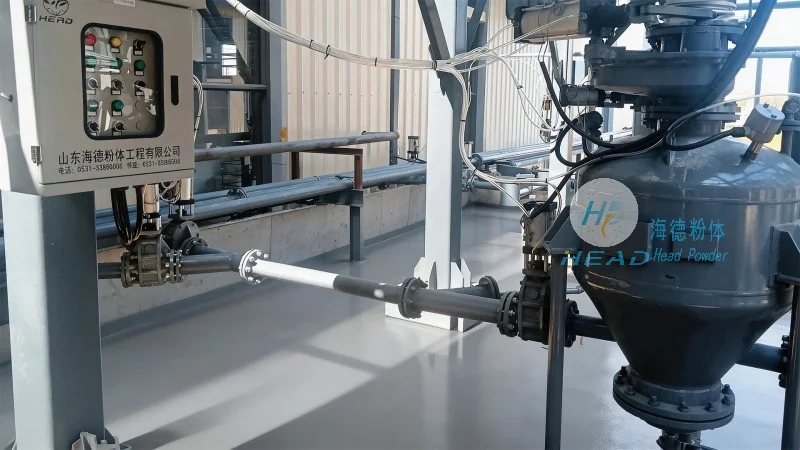
Introduction to Calcium Oxide Dry Powder Pneumatic Conveying Equipment
Calcium oxide dry powder pneumatic conveying equipment is a specialized system designed to transport calcium oxide powder through a pipeline using compressed air or other gas. Unlike traditional bulk material handling methods like belt conveyors or screw conveyors, pneumatic conveying offers advantages such as reduced dust generation, improved safety, and the ability to handle materials in a closed system. The equipment is particularly suited for calcium oxide due to its fine particle size and potential reactivity, which require careful handling to prevent caking or degradation during transport.
About HeadPowder: A Leading Manufacturer in Pneumatic Conveying Solutions
Shandong HeadPowder Engineering Co., Ltd., a prominent enterprise based in Shandong, China, specializes in the research, development, and manufacturing of advanced pneumatic conveying systems. With years of experience in the industry, HeadPowder has established itself as a trusted provider of customized solutions tailored to the unique needs of clients handling calcium oxide and other dry powders. The company's commitment to innovation and quality ensures that its equipment meets the highest standards of performance, reliability, and safety, making it a preferred choice for industrial applications.

Core Components and Functionality of the Pneumatic Conveying System
The calcium oxide dry powder pneumatic conveying equipment typically consists of several key components that work in tandem to achieve efficient material transport. The primary components include a material feeder, a gas source (such as a blower or compressor), a conveying pipeline, a separation system, and a discharge unit. The material feeder is responsible for accurately metering the calcium oxide powder into the system, ensuring a consistent flow rate. The gas source provides the necessary pressure and volume of air to propel the powder through the pipeline. The conveying pipeline, often made of materials resistant to corrosion and abrasion, transports the powder and air mixture. The separation system, which may include cyclones or filters, separates the powder from the air at the end of the pipeline, allowing the powder to be collected in a container while the air is discharged or recycled. The discharge unit collects the conveyed calcium oxide powder and delivers it to the intended destination, such as a storage silo or processing unit.
Design Principles for Optimizing Calcium Oxide Handling
The design of calcium oxide dry powder pneumatic conveying equipment is guided by several key principles aimed at ensuring efficient, safe, and reliable operation. One of the primary design considerations is the particle size and flow characteristics of calcium oxide. Calcium oxide particles are often fine and can be prone to agglomeration, which can affect the flow rate and increase the risk of blockages in the system. Therefore, the equipment is designed with features such as agitators or vibrators in the feeder to prevent caking and maintain consistent material flow. Another critical design principle is the selection of appropriate materials for the components that come into contact with the calcium oxide. Since calcium oxide is a reactive material that can cause corrosion or wear, the equipment is constructed using materials like stainless steel, special alloys, or high-quality plastics that are resistant to chemical attack and abrasion. The system's pressure and velocity are also carefully designed to prevent particle degradation and ensure that the powder remains in a dry state throughout the conveying process. Additionally, the design incorporates safety features such as pressure relief valves and dust collection systems to minimize the risk of accidents and environmental contamination.
Applications and Benefits in Industrial Processes
Calcium oxide dry powder pneumatic conveying equipment is widely used in various industrial applications where calcium oxide is a key raw material. In the construction industry, for example, calcium oxide is used in the production of cement and mortar, and the equipment ensures that the powder is transported efficiently from storage to processing facilities. In the chemical industry, calcium oxide is used in the manufacturing of calcium carbide and other chemicals, and the pneumatic conveying system facilitates the transfer of the powder between reactors and storage tanks. The equipment also plays a role in environmental applications, such as in flue gas desulfurization systems, where calcium oxide is used to neutralize acidic gases. The benefits of using pneumatic conveying for calcium oxide handling include improved process efficiency, reduced labor costs, and enhanced safety compared to manual handling methods. The closed system design minimizes dust exposure, protecting workers from respiratory hazards, and the efficient transport reduces the time and energy required for material handling, contributing to overall cost savings.

Technological Advancements and Future Trends
As technology advances, the design of calcium oxide dry powder pneumatic conveying equipment continues to evolve to meet the changing needs of industrial applications. Modern systems incorporate advanced control systems that allow for real-time monitoring and adjustment of the conveying parameters, ensuring optimal performance. Automation features, such as programmable logic controllers (PLCs), enable the equipment to operate with minimal human intervention, improving reliability and reducing the risk of errors. Additionally, the integration of sensors and monitoring devices provides valuable data on the system's performance, allowing for predictive maintenance and proactive troubleshooting. Future trends in the industry may include the development of more energy-efficient systems, such as using regenerative blowers to reduce power consumption, and the adoption of sustainable materials in the construction of the equipment. These advancements aim to further enhance the efficiency, safety, and environmental friendliness of calcium oxide dry powder handling, making the technology even more valuable in industrial settings.
Conclusion: The Importance of Specialized Pneumatic Conveying Equipment
In conclusion, calcium oxide dry powder pneumatic conveying equipment is a critical component in the efficient and safe handling of calcium oxide in industrial processes. The design principles behind this technology, including the consideration of material properties, system components, and operational parameters, ensure that the equipment can effectively transport calcium oxide while maintaining its quality and integrity. With the expertise of manufacturers like Shandong HeadPowder Engineering Co., Ltd., the technology continues to advance, offering improved performance and reliability for industrial applications. As the demand for calcium oxide and other dry powders grows, the importance of specialized pneumatic conveying equipment will only increase, making it an essential investment for industries relying on these materials.