

What is a Coal Fly Ash Material Pneumatic Conveying System? What Are Its Design Principles?
Coal fly ash, a byproduct of coal combustion in power plants, poses unique challenges for material handling due to its fine particle size and dusty nature. Pneumatic conveying systems offer an efficient solution for transporting this material over long distances or within industrial facilities. This article explores the core components, operational mechanisms, and design principles of coal fly ash material pneumatic conveying systems, highlighting the technical considerations that ensure reliable and cost-effective material transport.

Key Components of a Coal Fly Ash Pneumatic Conveying System
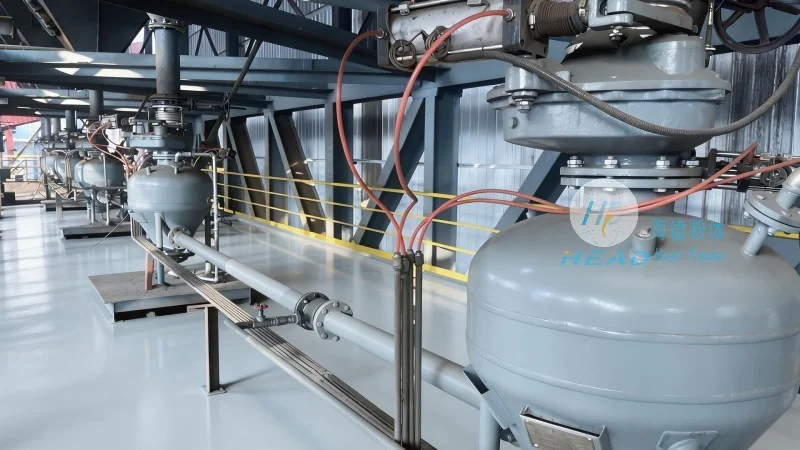
A typical coal fly ash pneumatic conveying system consists of several critical components that work in tandem to move the material from the source to the destination. The primary elements include the material feed hopper, which holds the coal fly ash and provides a controlled discharge mechanism; the conveying pipeline, which can be either positive or negative pressure depending on the system design; the air compressor or vacuum pump, which generates the necessary airflow; and the separation and collection equipment, such as cyclones or filters, that separate the material from the air stream and return the air to the system or release it to the atmosphere.
Design Principles for Efficient Coal Fly Ash Conveying
The design of a coal fly ash pneumatic conveying system is governed by several key principles aimed at optimizing performance, minimizing energy consumption, and ensuring operational safety. One of the most critical factors is the selection of the appropriate conveying method—positive pressure or negative pressure—based on the distance, elevation changes, and material characteristics. Positive pressure systems use air to push the material through the pipeline, while negative pressure systems use suction to draw the material. For coal fly ash, positive pressure systems are often preferred for long-distance transport due to their ability to handle higher material loads and resist blockages.
Another crucial design principle is the calculation of the required airflow rate and pressure. Engineers must consider the material's bulk density, particle size distribution, and flowability to determine the optimal air velocity and pressure drop across the system. The air velocity must be high enough to prevent material settling in the pipeline but low enough to avoid excessive wear on the equipment and reduce energy consumption. The pressure drop is calculated using the Darcy-Weisbach equation or empirical formulas that account for the friction losses in the pipeline and the energy required to accelerate the material.

Material Handling Challenges and Solutions
Coal fly ash presents several challenges that must be addressed in the system design. The fine particle size and high dust content can lead to caking or agglomeration, which may cause blockages in the pipeline. To mitigate this, the system may include a pre-drying or conditioning step to improve the material's flowability. Additionally, the abrasive nature of coal fly ash can cause wear on the pipeline and components, necessitating the use of materials with high wear resistance, such as stainless steel or special coatings.

System Integration and Maintenance
Effective coal fly ash pneumatic conveying systems are often integrated with other industrial processes, such as ash handling from power plants or material recycling in construction. The design must consider the compatibility of the system with existing infrastructure and the need for regular maintenance to ensure long-term reliability. Regular cleaning of the separation equipment, inspection of the pipeline for wear or damage, and monitoring of the air compressor performance are essential maintenance tasks. Shandong HeadPowder Engineering Co., Ltd., a leading provider of material handling solutions, specializes in designing and manufacturing customized pneumatic conveying systems tailored to the specific needs of coal fly ash applications.
Conclusion
Coal fly ash material pneumatic conveying systems are sophisticated solutions that combine engineering principles with practical considerations to efficiently transport this challenging material. By understanding the key components, design principles, and operational challenges, industries can select and implement systems that maximize efficiency, minimize downtime, and ensure compliance with environmental regulations. With the expertise of companies like Shandong HeadPowder Engineering Co., Ltd., based in China, businesses can leverage advanced technology to optimize their coal fly ash handling processes and achieve sustainable material management.