

Pneumatic Conveying of Crystalline Materials: Understanding Design Principles
Crystalline materials, such as sugar, salt, or pharmaceutical powders, present unique challenges in material handling due to their particle size, shape, and flow characteristics. Pneumatic conveying offers an efficient solution for transporting these materials over short to medium distances, eliminating the need for mechanical components like conveyors or elevators. This method relies on the use of air or gas to move the material through a pipeline system, making it ideal for applications where hygiene, contamination control, and product integrity are critical.

Key Characteristics of Crystalline Materials in Conveying
When dealing with crystalline materials, several factors must be considered to ensure effective pneumatic conveying. These materials often have a high density and can be prone to bridging or agglomeration in hoppers or silos. The particle size distribution, moisture content, and bulk density all influence the selection of the conveying system. For instance, fine crystalline powders may require higher air velocities to prevent blockages, while larger crystals might need lower velocities to avoid excessive wear on the pipeline and equipment. The flowability of the material, often measured by the angle of repose and compressibility, is crucial in determining the appropriate hopper design and feeder type.
Design Principles for Pneumatic Conveying Systems
The design of a pneumatic conveying system for crystalline materials involves several key principles to ensure optimal performance and reliability. First, the system must be designed to handle the specific properties of the material, including its abrasiveness and potential for dust generation. Abrasion-resistant materials, such as stainless steel or special alloys, are commonly used for the pipeline and components to extend the system's lifespan. The air velocity is a critical parameter; it must be sufficient to keep the material in suspension but not so high as to cause excessive pressure drops or energy consumption. The system design typically includes a combination of positive and negative pressure zones, with the material being drawn from the source or pushed through the pipeline using air pressure.

Components and Their Roles in the System
A typical pneumatic conveying system for crystalline materials consists of several key components, each playing a vital role in the overall operation. The source of material, such as a hopper or silo, is equipped with a feeder that controls the flow rate of the material into the pipeline. The feeder can be a rotary valve, a vibratory feeder, or a screw feeder, depending on the material's flow characteristics. The pipeline itself is usually made of flexible or rigid materials, with bends and fittings designed to minimize pressure losses and prevent material accumulation. A filter and dust collector are essential to capture any fine particles that escape the system, ensuring compliance with environmental regulations and maintaining product purity. The air supply system, including a blower or compressor, provides the necessary air pressure to move the material through the pipeline. The system may also include a receiver or discharge hopper at the end, where the material is collected and transferred to the next process step.
Advantages of Pneumatic Conveying for Crystalline Materials
Pneumatic conveying offers several advantages when handling crystalline materials. One of the primary benefits is the ability to transport materials in a closed system, which helps maintain product quality and prevents contamination from external sources. This is particularly important for pharmaceutical or food-grade crystalline materials, where hygiene and sterility are paramount. Additionally, the system can be designed to handle a wide range of material types and sizes, making it versatile for various industrial applications. The absence of mechanical parts like belts or chains reduces the risk of product damage and maintenance costs. Furthermore, pneumatic conveying can be integrated with other process equipment, such as mixers or reactors, to create a seamless material handling workflow. The energy efficiency of the system, especially when using low-pressure systems, can also lead to cost savings over time.

Considerations for System Sizing and Selection
When selecting a pneumatic conveying system for crystalline materials, several factors must be considered to ensure the system meets the specific requirements of the application. The first step is to determine the required material flow rate, which depends on the production capacity and process needs. The system must be sized to handle this flow rate without excessive pressure drops or air consumption. The distance between the source and discharge point is another critical factor, as longer distances may require higher air velocities or additional boosters to maintain material suspension. The height of the system, including vertical lifts, also affects the design, as vertical conveying can increase pressure losses. The material's properties, such as its abrasiveness and dust generation potential, must be evaluated to select appropriate components and materials of construction. For example, highly abrasive materials may require special coatings or liners on the pipeline and equipment to prevent wear and tear. The system's reliability and maintenance requirements are also important considerations, as downtime can impact production efficiency.
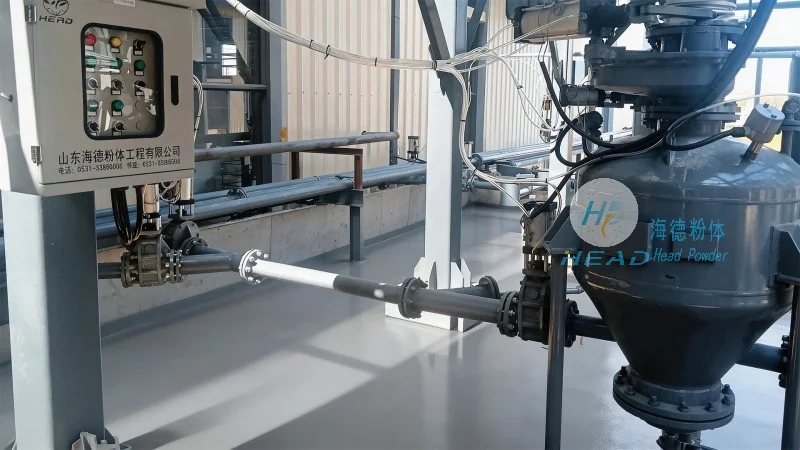
Case Study: Application in Pharmaceutical Industry
Shandong HeadPowder Engineering Co., Ltd. has successfully implemented a pneumatic conveying system for crystalline pharmaceutical powders in a manufacturing facility. The system was designed to handle fine, hygroscopic powders while maintaining strict contamination control. The components were selected from stainless steel to ensure compliance with GMP (Good Manufacturing Practice) standards. The system included a rotary valve feeder, a flexible stainless steel pipeline with smooth bends, and a high-efficiency dust collector. The air supply was provided by a low-noise blower, ensuring minimal disruption in the production environment. The system was able to achieve a material flow rate of 5 tons per hour with a pressure drop of less than 0.5 bar, demonstrating its efficiency and reliability. The implementation of this system resulted in improved product quality, reduced downtime, and lower maintenance costs for the pharmaceutical manufacturer.
Conclusion and Future Trends
Pneumatic conveying of crystalline materials is a proven and effective method for material handling in various industries, including food, pharmaceuticals, and chemicals. The design principles, components, and considerations outlined above are essential for developing a reliable and efficient system that meets the specific needs of the application. As technology advances, there is a growing focus on energy-efficient and low-emission systems, which may include the use of regenerative blowers or variable frequency drives to optimize air usage. Additionally, the integration of automation and control systems can enhance the system's performance and reduce the need for manual intervention. For companies like Shandong HeadPowder Engineering Co., Ltd., specializing in custom pneumatic conveying solutions, understanding these principles is crucial to delivering high-quality systems that meet the evolving demands of the industry.