

What is Pneumatic Conveying of Desulfurization and Dust Removal Fly Ash? What are the Design Princip
Desulfurization and dust removal processes in power plants and industrial facilities generate large volumes of fly ash, a fine particulate material that requires efficient handling and disposal. Pneumatic conveying has emerged as a critical technology for transporting this fly ash, offering a dust-free, low-maintenance solution compared to traditional methods like belt conveyors or bucket elevators. Understanding the principles behind this technology is essential for optimizing system performance and ensuring compliance with environmental regulations.
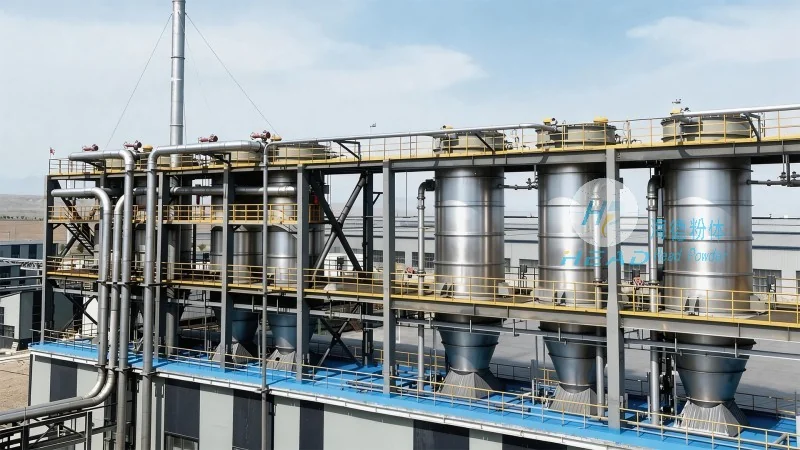
HeadPowder Engineering, a leading provider of powder handling solutions, specializes in designing and implementing pneumatic conveying systems tailored to the unique challenges of fly ash transport. The company's expertise lies in integrating advanced components and control systems to achieve reliable, energy-efficient operation. By leveraging their experience, facilities can enhance the safety and efficiency of their ash management processes.
Key Components of Pneumatic Conveying Systems for Fly Ash
A typical pneumatic conveying system for desulfurization and dust removal fly ash consists of several interconnected components. The primary elements include a material feeder, which ensures a consistent flow of ash into the system; a conveying line, often made of stainless steel or other corrosion-resistant materials to withstand the abrasive nature of fly ash; a separation unit, such as a cyclone or baghouse, that separates the ash from the conveying air; and a control system that monitors and adjusts pressure, flow, and other parameters to maintain optimal operation. Each component plays a vital role in the overall efficiency and reliability of the system.
HeadPowder Engineering's systems incorporate high-quality materials and precision engineering to ensure durability and performance. For example, their feeders are designed to handle the varying moisture content and particle size distribution of fly ash, while the conveying lines are constructed to minimize wear and tear. The separation units are optimized to achieve high collection efficiency, reducing emissions and ensuring compliance with environmental standards.
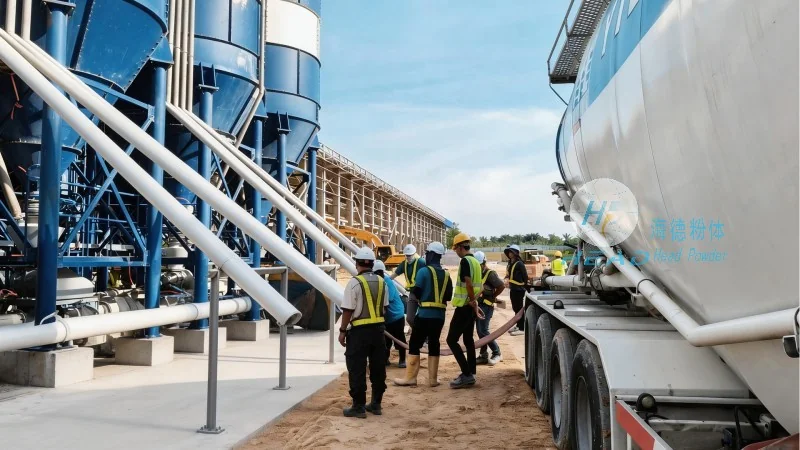
Design Principles for Efficient Fly Ash Pneumatic Conveying
The design of a pneumatic conveying system for fly ash involves several key principles aimed at maximizing efficiency, minimizing energy consumption, and ensuring safety. One of the most critical principles is the selection of the appropriate conveying velocity, which must be high enough to prevent particle settling but low enough to avoid excessive wear on the system components. HeadPowder Engineering uses computational fluid dynamics (CFD) and other simulation tools to model the flow of ash and air, allowing for precise velocity and pressure calculations.
Another important design principle is the system's pressure drop, which directly impacts energy consumption. By optimizing the pipe diameter, length, and bends, the system can maintain a lower pressure drop, reducing the energy required to transport the ash. HeadPowder Engineering's engineers carefully calculate the pressure drop for each component, ensuring that the system operates within the optimal range for both efficiency and cost-effectiveness.
Control systems are also a crucial part of the design, as they enable real-time monitoring and adjustment of the conveying process. Modern systems use sensors to track pressure, flow, and temperature, while programmable logic controllers (PLCs) adjust the feeder speed or air supply to maintain consistent performance. HeadPowder Engineering integrates advanced control technologies into their systems, providing users with a user-friendly interface for monitoring and managing their ash transport operations.
Benefits of Pneumatic Conveying for Fly Ash Management
Implementing a pneumatic conveying system for desulfurization and dust removal fly ash offers numerous benefits beyond traditional handling methods. One of the most significant advantages is the elimination of dust emissions during transport, which improves workplace safety and reduces environmental impact. Unlike belt conveyors, which can generate dust clouds, pneumatic systems keep the ash contained within the system, minimizing exposure to personnel and the environment.

Additionally, pneumatic conveying systems are more flexible in terms of layout and installation. They can be installed in various configurations, including horizontal, vertical, or mixed, to accommodate the specific space constraints of a facility. HeadPowder Engineering's systems are designed to be modular, allowing for easy expansion or modification as the facility's needs change. This flexibility reduces the need for costly reconfigurations and ensures long-term adaptability.
Energy efficiency is another key benefit of pneumatic conveying. By optimizing the system's design and control, facilities can reduce their energy consumption compared to traditional methods. HeadPowder Engineering's systems are engineered to operate at high efficiency, with minimal energy loss due to friction or pressure drop. This not only lowers operating costs but also contributes to a more sustainable operation.
Conclusion
Pneumatic conveying of desulfurization and dust removal fly ash is a sophisticated technology that requires careful design and implementation to achieve optimal results. HeadPowder Engineering, with its expertise in powder handling and fly ash management, provides comprehensive solutions that address the unique challenges of this application. By adhering to the design principles outlined above and leveraging advanced technology, facilities can enhance the efficiency, safety, and environmental performance of their ash transport operations. For companies seeking reliable and effective solutions for fly ash handling, HeadPowder Engineering offers a proven approach to meeting their needs.