

What is a Dust-Free Enclosed Material Conveying Line? And What Are Its Design Principles?
Understanding the dust-free enclosed material conveying line is crucial for industries that require stringent contamination control. This system is engineered to transport bulk materials in a completely sealed environment, preventing dust emissions and ensuring product purity throughout the process. As a key component in modern manufacturing, it plays a vital role in maintaining cleanroom standards and operational efficiency.

Introduction to Dust-Free Enclosed Material Conveying Lines
A dust-free enclosed material conveying line, also known as a dust-tight or sealed conveyor system, is a specialized piece of equipment designed to move bulk materials from one location to another while maintaining a completely sealed enclosure. The primary goal of this technology is to prevent the release of airborne particles, dust, or other contaminants into the surrounding environment. This is achieved through robust sealing mechanisms, such as gaskets, seals, and airtight connections, which ensure that the material remains contained within the system at all times. The design of these lines is tailored to meet the specific needs of various industries, including pharmaceuticals, food processing, electronics manufacturing, and chemical production, where product integrity and environmental compliance are paramount.
About HeadPowder: A Leading Provider of Material Handling Solutions
HeadPowder, or Shandong HeadPowder Engineering Co., Ltd., is a reputable company based in Shandong, China, specializing in the design, manufacturing, and installation of advanced material handling systems. With a strong commitment to quality and innovation, HeadPowder has established itself as a trusted partner for businesses seeking reliable and efficient conveying solutions. The company’s expertise lies in creating customized systems that address the unique challenges of each industry, ensuring optimal performance and compliance with industry standards. By leveraging cutting-edge technology and rigorous engineering, HeadPowder delivers solutions that enhance productivity, reduce operational costs, and improve overall safety in material handling processes.

The Core Design Principles of Dust-Free Enclosed Conveying Systems
The design of a dust-free enclosed material conveying line is built on several fundamental principles that ensure its effectiveness and reliability. First, the system must maintain a continuous, airtight seal to prevent any leakage of material or air. This is typically achieved through the use of high-quality materials, such as stainless steel, which are resistant to corrosion and wear, and advanced sealing components that create a tight barrier between the conveyor and its surroundings. Second, the conveyor must be designed to handle a wide range of materials, including powders, granules, and bulk solids, with minimal degradation or segregation. This involves selecting appropriate conveyor types, such as screw conveyors, belt conveyors, or pneumatic systems, based on the material’s properties and the required conveying parameters. Third, the system must incorporate features that facilitate easy maintenance and cleaning, as these lines are often used in environments where hygiene is critical. This includes removable components, easy-to-clean surfaces, and access points for inspection and repair. Finally, the design must consider energy efficiency and operational safety, with features like variable speed drives, emergency stop mechanisms, and safety interlocks to minimize downtime and ensure operator safety.
Key Components and Their Functions in Dust-Free Enclosed Conveying Lines
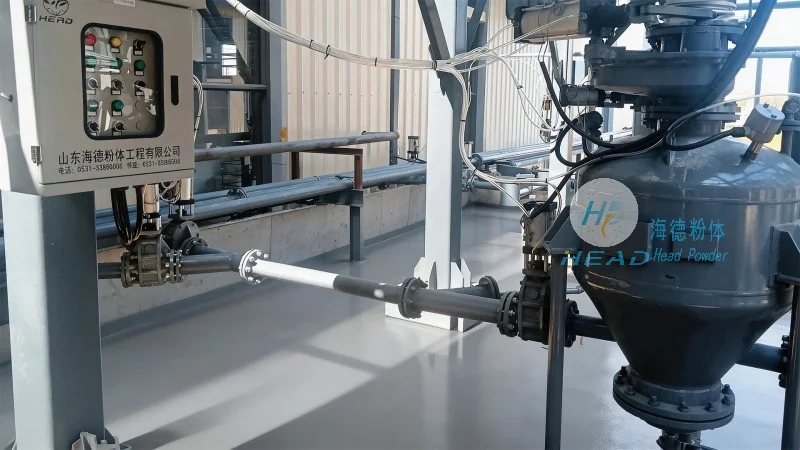
Several critical components work together to ensure the proper operation of a dust-free enclosed material conveying line. The primary components include the conveyor itself, which may be a screw, belt, or pneumatic system, depending on the application. The conveyor is enclosed in a rigid housing that maintains the airtight seal. Gaskets and seals are strategically placed at all joints, including the conveyor inlet and outlet, to prevent dust leakage. The housing is typically made of stainless steel or other corrosion-resistant materials to withstand the harsh conditions of material handling. Additionally, the system may include dust collection and filtration systems to capture any particles that may escape, further enhancing the overall containment. Control systems, such as PLCs (Programmable Logic Controllers), are used to monitor and control the operation of the conveyor, ensuring smooth and efficient material flow. These systems can be programmed to adjust speed, direction, and other parameters based on the material being conveyed and the operational requirements. Finally, safety features, such as emergency stop buttons and interlocks, are integrated into the design to protect operators and prevent accidents.

Advantages of Using Dust-Free Enclosed Material Conveying Lines
Implementing a dust-free enclosed material conveying line offers numerous advantages for businesses operating in industries with strict contamination control requirements. First, it significantly reduces the risk of product contamination, as the sealed system prevents dust and other particles from entering or exiting the conveyor. This is particularly important in industries like pharmaceuticals, where product purity is non-negotiable. Second, the system enhances operational efficiency by minimizing downtime caused by cleaning and maintenance. The enclosed design allows for easy cleaning and inspection, reducing the time required for these tasks and increasing overall productivity. Third, it improves workplace safety by containing dust and preventing the spread of airborne contaminants, which can pose health risks to employees. Fourth, the system is highly versatile and can be customized to handle a wide range of materials and applications, making it suitable for various industries. Finally, the use of advanced materials and engineering ensures long-term durability and reliability, reducing the need for frequent repairs and replacements.
Applications and Industries Benefiting from Dust-Free Enclosed Conveying Lines
Dust-free enclosed material conveying lines are widely used in various industries where maintaining a clean and controlled environment is essential. In the pharmaceutical industry, these systems are used to transport active pharmaceutical ingredients (APIs) and finished products, ensuring that they remain free from contaminants and meet strict regulatory standards. In the food processing industry, they are employed to handle raw materials and finished products, maintaining food safety and compliance with food handling regulations. The electronics manufacturing industry also relies on these systems to transport components and materials in cleanroom environments, preventing dust from damaging sensitive equipment. Additionally, the chemical industry uses dust-free enclosed conveyors to handle hazardous materials, ensuring that they are contained and do not pose a risk to the environment or workers. Finally, the packaging industry benefits from these systems by ensuring that packaging materials are free from dust and contaminants, which can affect the quality of the final product.
Conclusion: The Importance of Dust-Free Enclosed Material Conveying Lines
In conclusion, a dust-free enclosed material conveying line is a critical component in industries that require stringent contamination control and operational efficiency. The design principles and components of these systems are carefully engineered to ensure that they maintain a sealed environment, prevent dust leakage, and handle a wide range of materials. By choosing a reputable provider like HeadPowder, businesses can benefit from a reliable and efficient conveying system that meets their specific needs and enhances their overall performance. As industries continue to evolve and place greater emphasis on product quality and environmental compliance, the demand for dust-free enclosed material conveying lines is expected to grow, making them an essential investment for any business operating in these sectors.