

What is Calcium Carbide Powder Material Handling Equipment? And What Are Its Design Principles?
Calcium carbide powder is a critical material in various industrial applications, and the efficient handling and transportation of this powder require specialized equipment. This article explores the types of material handling equipment used for calcium carbide powder and delves into the design principles that ensure optimal performance and safety.
Understanding Calcium Carbide Powder and Its Handling Requirements
Calcium carbide (CaC₂) is a chemical compound produced by heating limestone and coke in an electric arc furnace. It is commonly used in the production of acetylene gas, as a deoxidizer in steelmaking, and in the synthesis of various organic compounds. Due to its fine powder form and potentially reactive nature when exposed to moisture, handling calcium carbide powder demands equipment that can minimize dust generation, prevent contamination, and ensure safe operation. The primary challenges in handling this material include its tendency to create dust, which can be hazardous if inhaled, and its reactivity with water, which can cause exothermic reactions and release flammable gases. Therefore, the design of material handling equipment for calcium carbide powder must prioritize dust control, moisture exclusion, and structural integrity to prevent accidents and ensure product quality.
Key Components of Calcium Carbide Powder Material Handling Equipment
The material handling system for calcium carbide powder typically consists of several key components that work in tandem to achieve efficient and safe operation. These components include feeders, conveyors, storage silos, and dust collection systems. Each component is designed with specific considerations to address the unique properties of calcium carbide powder.
Feeding equipment, such as rotary valves or screw feeders, is used to control the flow of powder from storage silos to the conveyor system. These devices are often equipped with sealing mechanisms to prevent air ingress and moisture contamination. The choice of feeder depends on the flow characteristics of the powder and the required flow rate. For calcium carbide powder, which can be cohesive or have a tendency to bridge in silos, rotary valves are commonly used due to their ability to handle sticky or bridging materials effectively.
Conveyors are a critical part of the material handling system, responsible for transporting the powder from one location to another. Common types of conveyors used for calcium carbide powder include pneumatic conveyors and mechanical conveyors. Pneumatic conveyors use air pressure to move the powder through a pipeline, which is effective for long-distance transport and can be integrated with dust collection systems. However, they require careful control of air pressure and flow to prevent material degradation or blockages. Mechanical conveyors, such as belt conveyors or bucket elevators, are often used for shorter distances or when the powder needs to be elevated to a higher level. These systems are typically enclosed to contain dust and prevent exposure to the environment.
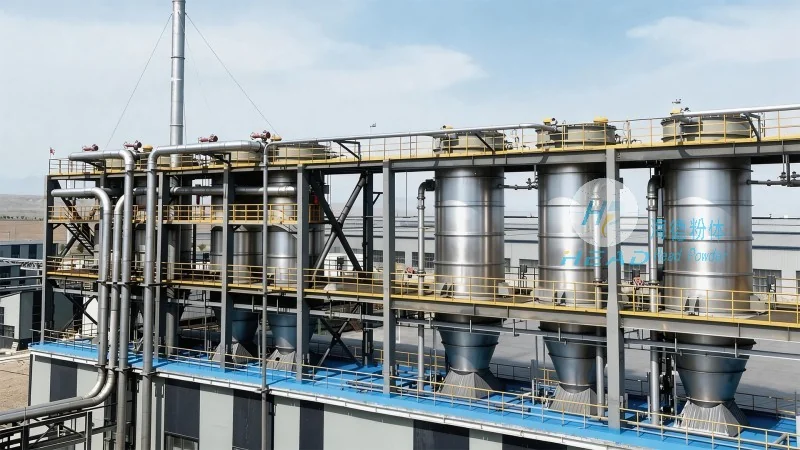
Storage silos are used to store calcium carbide powder before it is fed into the conveyor system. The design of these silos is crucial to prevent bridging, which can cause uneven flow and blockages. Silos are often equipped with agitators or vibrators to break up any bridging material and ensure a consistent flow. The material of the silo, such as stainless steel or corrosion-resistant alloys, is selected to withstand the chemical properties of calcium carbide and prevent degradation over time.

Dust collection systems are essential for maintaining a safe and clean working environment. These systems use filters or cyclones to capture airborne powder particles and return them to the conveyor system or storage silo. The design of the dust collection system must be efficient enough to capture fine particles and prevent their release into the atmosphere. Additionally, the system should be equipped with explosion-proof features, as calcium carbide powder can be a dust explosion hazard under certain conditions.
Design Principles for Calcium Carbide Powder Material Handling Equipment
The design of calcium carbide powder material handling equipment is guided by several key principles to ensure safety, efficiency, and durability. These principles include dust control, moisture exclusion, structural integrity, and operational flexibility.
Dust control is a primary concern due to the hazardous nature of calcium carbide dust. The equipment is designed with enclosed systems and sealed components to minimize dust generation and prevent its release into the workplace. The use of positive pressure or negative pressure systems in the conveyor and storage areas helps to control the movement of dust particles and direct them into the dust collection system.
Moisture exclusion is another critical design principle. Calcium carbide reacts with water to produce acetylene gas and heat, which can be dangerous if not controlled. Therefore, all equipment components that come into contact with the powder are designed to be moisture-proof. Sealing mechanisms are used at all joints and connections to prevent moisture ingress. The storage silos are often equipped with heating elements to maintain a dry environment inside, especially in humid climates.
Structural integrity is essential to ensure the equipment can withstand the handling of calcium carbide powder, which can be abrasive and corrosive. The materials used for the construction of the equipment, such as stainless steel, aluminum, or specialized alloys, are selected for their resistance to corrosion and wear. The design of the equipment, including the shape of the silos and the angle of the conveyors, is optimized to prevent material buildup and ensure smooth flow.

Operational flexibility is also a key design consideration. The equipment is designed to be adjustable to accommodate different flow rates and powder characteristics. For example, the speed of the conveyor or the rotation speed of the feeder can be adjusted to control the flow of powder. The system is also equipped with monitoring and control systems that allow operators to track the performance of the equipment and make adjustments as needed.
Applications and Benefits of Calcium Carbide Powder Material Handling Equipment
The material handling equipment for calcium carbide powder is used in various industrial applications, including chemical manufacturing, steel production, and the production of acetylene gas. The primary benefits of using specialized equipment include improved safety, increased efficiency, and reduced product loss. By controlling dust and moisture, the equipment helps to prevent accidents and ensure the quality of the final product. The efficient transport of the powder also reduces labor costs and increases production throughput.
In the chemical manufacturing industry, calcium carbide powder is used as a raw material for the production of acetylene gas, which is then used in welding and cutting applications. The material handling equipment ensures that the powder is transported safely and efficiently from the storage silos to the reaction vessels. In steel production, calcium carbide is used as a deoxidizer to remove oxygen from molten steel. The equipment is designed to handle the high temperatures and corrosive environment of the steelmaking process.
The production of acetylene gas is another application where calcium carbide powder material handling equipment is essential. The equipment ensures that the powder is fed into the reaction chamber at the correct rate and under controlled conditions. This helps to maintain the quality of the acetylene gas produced and prevent any safety hazards.
Conclusion
Calcium carbide powder material handling equipment is a critical component in the industrial processes that utilize this important material. The design of this equipment is guided by principles that prioritize safety, efficiency, and durability. By controlling dust and moisture, and ensuring structural integrity, the equipment helps to prevent accidents and maintain product quality. The specialized components, such as feeders, conveyors, and storage silos, work together to achieve efficient and safe handling of calcium carbide powder. As the demand for calcium carbide continues to grow, the development of advanced material handling equipment will remain essential to meet the needs of various industrial applications.