

What is an Industrial Alkali Material Handling System? What are the Design Principles?
Industrial alkali material handling systems are critical components in various industrial processes, particularly in sectors that involve the transportation and processing of alkaline substances. These systems are engineered to safely and efficiently move materials such as caustic soda, sodium hydroxide, and other alkali chemicals through production lines. Understanding the fundamentals of these systems and their design principles is essential for optimizing operational efficiency, ensuring safety, and maintaining compliance with industry standards.

Understanding the Core Components of Industrial Alkali Material Handling Systems
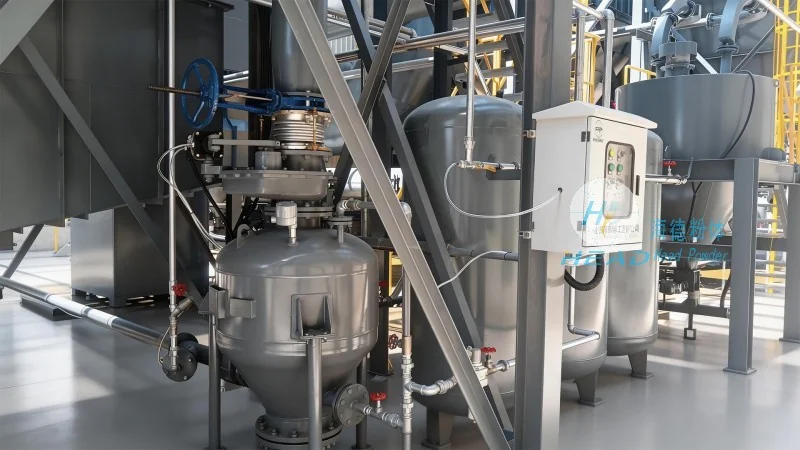
At the heart of any industrial alkali material handling system are several key components that work in tandem to facilitate the movement and processing of these materials. The primary components typically include storage tanks, pumps, conveyors, and control systems. Each component plays a vital role in the overall functionality of the system. For instance, storage tanks are used to hold large quantities of alkali materials, ensuring a steady supply for continuous operation. Pumps, often specialized for corrosive chemicals, are responsible for transferring the material from storage to processing units. Conveyors, such as screw conveyors or belt conveyors, may be employed to move bulk alkali materials over longer distances or to elevate them to different levels in the facility. Control systems, equipped with sensors and automation technology, monitor the flow rates, pressure, and temperature of the materials, ensuring safe and efficient operation.

Design Principles for Safe and Efficient Industrial Alkali Material Handling
The design of industrial alkali material handling systems adheres to several fundamental principles aimed at maximizing safety, efficiency, and durability. One of the most critical principles is the selection of appropriate materials for construction. Since alkali materials are highly corrosive, components such as tanks, pipes, and pumps must be made from materials like stainless steel, Hastelloy, or specialized plastics that can withstand chemical exposure without degradation. This choice not only prolongs the system's lifespan but also prevents leaks or spills that could lead to environmental hazards or operational disruptions. Another key principle is the implementation of proper sealing and jointing techniques. Inadequate sealing can result in material leakage, which poses health risks and environmental concerns. Therefore, systems often utilize gaskets, flanges, and welded joints to create airtight and watertight connections. Additionally, the design incorporates safety features like pressure relief valves, emergency shut-off systems, and monitoring devices to detect any abnormalities in real-time. These safety measures are crucial for protecting personnel and equipment from potential accidents.
HeadPowder's Expertise in Industrial Alkali Material Handling Solutions
Shandong HeadPowder Engineering Co., Ltd., a leading provider of industrial material handling solutions, specializes in designing and manufacturing systems tailored to the unique needs of alkali processing industries. With years of experience and a commitment to quality, HeadPowder offers comprehensive solutions that address the specific challenges of handling caustic and corrosive materials. The company's team of engineers and technicians work closely with clients to understand their operational requirements, process flow, and safety standards, ensuring that the final system is both efficient and compliant. HeadPowder's systems are designed with a focus on durability, safety, and ease of maintenance, reflecting the company's dedication to delivering reliable solutions. By leveraging advanced engineering and materials science, HeadPowder ensures that its industrial alkali material handling systems meet the highest industry standards and provide long-term value to its clients.
Conclusion: The Importance of Well-Designed Industrial Alkali Material Handling Systems
In conclusion, industrial alkali material handling systems are indispensable in modern industrial operations, enabling the safe and efficient transportation of critical alkaline materials. The design principles that underpin these systems, including the use of corrosion-resistant materials, robust sealing techniques, and integrated safety features, are essential for minimizing risks and maximizing productivity. Companies like Shandong HeadPowder Engineering Co., Ltd. play a vital role in developing and implementing these systems, ensuring that industries can operate effectively while maintaining the highest safety and environmental standards. As the demand for alkaline products continues to grow, the importance of well-designed material handling systems will only increase, making them a cornerstone of industrial success.