

What is Gravity Dust Removal Material Handling? And What Are Its Design Principles?
Gravity dust removal material handling is a specialized industrial process designed to separate dust particles from bulk materials during material transport. This technology is crucial in various industrial applications where maintaining air quality and preserving material purity are essential. The process relies on the fundamental principles of gravity and fluid dynamics to achieve efficient separation without the need for mechanical components that might cause wear or maintenance issues.
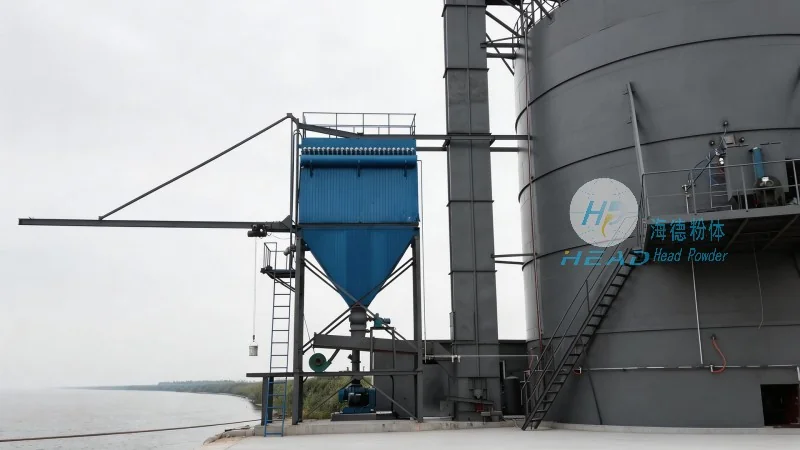
Introduction to Gravity Dust Removal Material Handling
At Shandong HeadPowder Engineering Co., Ltd., we specialize in providing advanced solutions for material handling and dust removal. Our expertise lies in designing and manufacturing systems that integrate gravity-based separation with efficient material transport. The core of our approach is to leverage the natural properties of materials and air flow to achieve optimal performance in industrial settings. This method is particularly effective for handling dry powders and granular materials where traditional filtration methods may not be as efficient or cost-effective.

The Working Principle of Gravity Dust Removal Systems
Gravity dust removal material handling systems operate on the principle that different particles have varying densities and sizes, which affect their behavior in a moving air stream. As bulk material is conveyed through a duct or chute, the air flow carries the material forward while heavier dust particles, due to their higher density, tend to settle or deviate from the main flow path. The design of the system, including the angle of the duct, the velocity of the air, and the size of the separation chamber, is critical in maximizing the separation efficiency. The system typically consists of a feed hopper, a transport duct, and a dust collection chamber where the separated dust is collected for disposal or further processing.

Key Design Principles for Optimal Performance
Designing an effective gravity dust removal system involves several key principles that ensure high separation efficiency and minimal material loss. First, the air velocity within the transport duct must be carefully controlled to maintain a balance between transporting the bulk material and allowing dust particles to settle. Excessive air velocity can cause fine particles to be carried along with the material, reducing separation efficiency, while insufficient velocity may result in material buildup and blockages. Second, the angle of the duct is a critical design parameter; an optimal angle ensures that the gravitational force acts effectively to separate heavier particles from the lighter material stream. Third, the size and shape of the separation chamber are designed to maximize the surface area for dust collection and to minimize the risk of re-entrainment of collected dust back into the air stream. Additionally, the material of construction is chosen to withstand the abrasive nature of the materials being handled and to resist corrosion from any moisture or contaminants present in the dust.
Applications and Benefits in Industrial Settings
Gravity dust removal material handling systems are widely used in industries such as cement production, mining, pharmaceuticals, and food processing. In cement plants, for example, these systems are used to separate fine cement dust from the bulk material during storage and transport, improving air quality and reducing the risk of dust explosions. In mining operations, they help in removing fine rock particles from ore, enhancing the quality of the extracted material. The benefits of using gravity-based systems include high separation efficiency, low operational costs due to minimal moving parts, and reduced maintenance requirements compared to mechanical filtration systems. Furthermore, these systems are energy-efficient, as they rely on natural gravity and air flow rather than external power sources for most of the separation process.

Conclusion and Company Overview
Shandong HeadPowder Engineering Co., Ltd. is committed to providing innovative and reliable gravity dust removal material handling solutions. Our team of engineers and technicians leverages years of experience in the industry to design systems that meet the specific needs of our clients. By focusing on the fundamental principles of gravity and fluid dynamics, we ensure that our products deliver consistent performance and long-term value. With our headquarters in Shandong, China, we serve clients globally, providing customized solutions that enhance operational efficiency and environmental compliance. Our dedication to quality and customer satisfaction has made us a trusted partner in the material handling and dust removal industry.