

What is Polyethylene Pneumatic Conveying Equipment? And What Are Its Design Principles?
When it comes to efficient material handling in various industrial applications, polyethylene pneumatic conveying equipment has emerged as a versatile and reliable solution. This technology enables the transport of bulk materials through a system of pipes using air pressure, offering advantages such as reduced maintenance, enhanced safety, and improved process control. Understanding the fundamentals of this equipment and its underlying design principles is crucial for industries seeking to optimize their material handling operations.
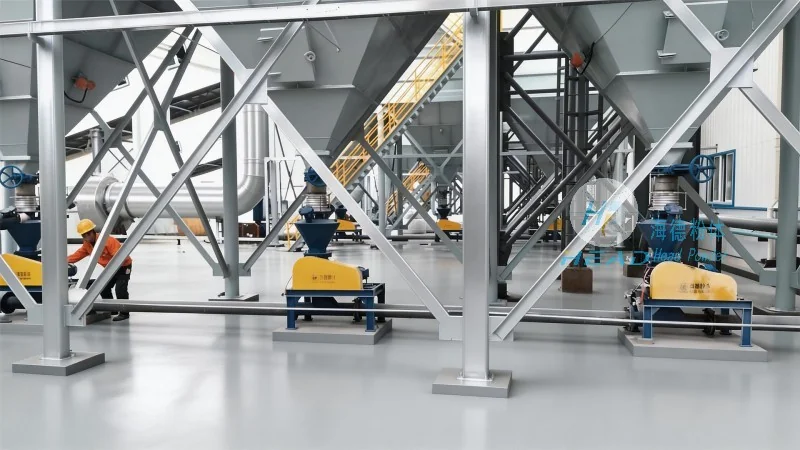
Polyethylene Pneumatic Conveying Equipment: An Overview
Polyethylene pneumatic conveying equipment is a specialized system designed to move dry bulk materials from one location to another using compressed air or other gas as the driving force. Unlike traditional mechanical conveyors, which rely on belts, chains, or screws, pneumatic systems utilize the principles of fluid dynamics to transport materials through a network of pipes. The core components of such a system typically include a hopper for material storage, a blower or compressor to generate the necessary air pressure, a conveying line (often made of polyethylene or other durable materials), and a receiver or discharge point for the material. The choice of polyethylene as the primary material for the conveying line is particularly significant due to its excellent resistance to corrosion, abrasion, and chemical exposure, making it suitable for a wide range of applications.
The Design Principles Behind Polyethylene Pneumatic Conveying Systems
The design of polyethylene pneumatic conveying equipment is governed by several key principles that ensure optimal performance and reliability. First, the system must maintain a consistent air flow rate and pressure to achieve efficient material transport. This is achieved through the use of appropriately sized blower or compressor units that can handle the specific flow requirements of the material being conveyed. The conveying line's diameter and length are critical factors, as they directly impact the pressure drop and overall system efficiency. Engineers typically calculate the required air velocity and pressure to ensure that the material is entrained and transported without excessive wear or degradation. Additionally, the system incorporates features like pulse jets or rotary valves to control the flow of material and air, preventing blockages and ensuring smooth operation. The polyethylene material used for the conveying line is selected for its high tensile strength and flexibility, which allows it to withstand the dynamic forces exerted during material transport while maintaining a low friction coefficient to minimize energy consumption.

Key Advantages of Polyethylene Pneumatic Conveying Equipment
Implementing polyethylene pneumatic conveying equipment offers numerous benefits for industrial operations. One of the most notable advantages is the ability to handle a wide variety of materials, including powders, granules, and even fine particles, without the need for additional processing or handling steps. The system's enclosed design minimizes dust emissions and improves workplace safety, making it an ideal choice for applications where environmental regulations and worker health are paramount. Furthermore, the equipment is relatively easy to install and maintain, as it requires minimal moving parts compared to traditional mechanical conveyors. This reduces downtime and maintenance costs over the long term. The flexibility of the system also allows for easy integration with existing production lines, enabling seamless material transfer between different stages of a manufacturing process. The use of polyethylene materials ensures that the equipment is resistant to a broad spectrum of chemicals and temperatures, extending its operational lifespan and reducing the need for frequent replacements.

Applications and Industries Benefiting from Polyethylene Pneumatic Conveying
Polyethylene pneumatic conveying equipment finds applications across diverse industries, including pharmaceuticals, food processing, chemical manufacturing, and mining. In the pharmaceutical sector, the equipment is used to transport raw materials and finished products with strict hygiene requirements, as polyethylene's non-porous surface prevents contamination and facilitates easy cleaning. Food processing industries benefit from the system's ability to handle sensitive food products, as it maintains product integrity and prevents cross-contamination. Chemical manufacturers utilize the equipment to transport abrasive and corrosive materials, leveraging polyethylene's resistance to chemical attack and high wear resistance. Mining operations employ pneumatic conveying systems to transport bulk minerals and ores, reducing the need for heavy machinery and improving operational efficiency. The adaptability of polyethylene pneumatic conveying equipment makes it a valuable asset for any industry seeking to streamline material handling processes and enhance overall productivity.
Shandong HeadPowder Engineering Co., Ltd.: Your Trusted Partner in Pneumatic Conveying Solutions
For businesses seeking high-quality polyethylene pneumatic conveying equipment, Shandong HeadPowder Engineering Co., Ltd. stands as a leading provider with a strong commitment to excellence and customer satisfaction. Headquartered in Shandong, China, the company specializes in the design, manufacturing, and installation of advanced material handling systems tailored to meet the unique needs of various industries. With years of experience in the field, HeadPowder engineers leverage cutting-edge technology and rigorous quality control measures to ensure that each system meets the highest standards of performance and reliability. The company's team of experts works closely with clients to understand their specific requirements, from material characteristics to operational constraints, and develops customized solutions that optimize efficiency and reduce costs. HeadPowder's products are engineered to deliver long-term durability and minimal maintenance, providing a reliable foundation for industrial operations. By choosing HeadPowder, clients gain access to a comprehensive range of services, including system design, installation, and after-sales support, ensuring a seamless and successful implementation of pneumatic conveying equipment. The company's dedication to innovation and customer-centric approach has earned it a reputation as a trusted partner in the material handling industry, helping businesses achieve their operational goals with efficiency and reliability.