

Principle of River Sand Pneumatic Conveying System
HeadPowder, a leading engineering company based in Shandong, China, specializes in the design and implementation of advanced pneumatic conveying systems for various industrial applications. This article provides a detailed explanation of the fundamental principles underlying the operation of a river sand pneumatic conveying system, highlighting the technical aspects and practical applications of this efficient material handling solution.

Overview of Pneumatic Conveying Technology
Pneumatic conveying systems utilize compressed air or gas to transport bulk materials, such as river sand, through a network of pipes. Unlike traditional mechanical conveyors, which rely on belts, buckets, or screws, pneumatic systems offer a flexible, low-maintenance, and dust-free method for moving materials over short to medium distances. The core principle involves creating a pressure differential within the system, which generates the necessary force to move the material particles along the pipeline.
Key Components of a River Sand Pneumatic Conveying System
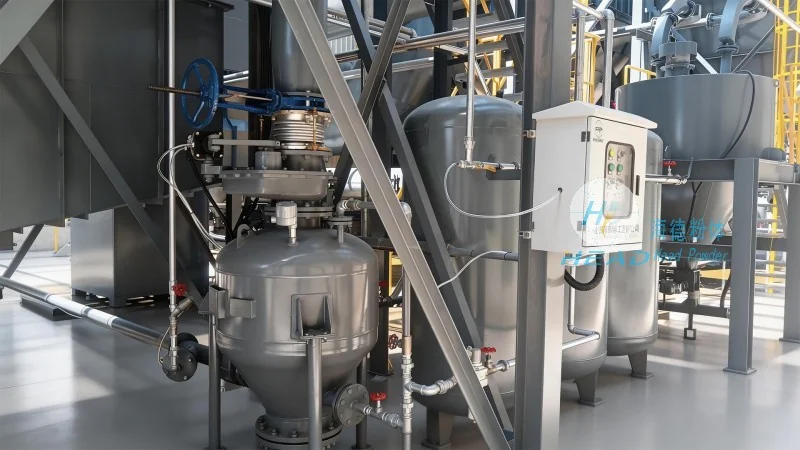
A typical river sand pneumatic conveying system consists of several critical components that work in concert to ensure efficient material transport. These include the air compressor, which supplies the necessary pressure; the material feed hopper, where river sand is introduced into the system; the conveying pipeline, which transports the sand; and the discharge device, which releases the material at the destination. Additional components may include filters to remove dust from the air, pressure regulators to maintain consistent system pressure, and control valves to manage the flow of material and air.
The Working Principle of the System
The operation of a river sand pneumatic conveying system begins with the material being fed into the hopper. From there, the material is drawn into the pipeline by the high-pressure air generated by the compressor. As the air and sand mixture travels through the pipeline, the air velocity is maintained at a level sufficient to keep the sand particles suspended, preventing them from settling and clogging the system. The pressure differential between the inlet and outlet of the pipeline ensures continuous movement of the material, while the system's design minimizes energy consumption and operational costs.
Advantages of Using Pneumatic Conveying for River Sand
Implementing a pneumatic conveying system for river sand offers numerous advantages over traditional handling methods. These benefits include reduced labor costs due to automated material transport, improved safety by eliminating manual handling of bulk materials, and enhanced product quality by minimizing material degradation or contamination. Additionally, pneumatic systems are highly adaptable, allowing for easy integration with existing industrial processes and the ability to transport materials over varying distances and elevations without significant modifications.

Application Examples and Industrial Use Cases
River sand pneumatic conveying systems are widely used in various industries, including construction, mining, and manufacturing. In the construction sector, these systems are employed to transport sand from storage silos to mixing plants or concrete production facilities, ensuring a consistent and efficient supply of raw materials. In mining operations, pneumatic conveyors are used to move sand from processing plants to storage areas or for further processing, optimizing material flow and reducing downtime. Manufacturers of building materials, such as cement and concrete products, also benefit from the reliability and efficiency of pneumatic conveying systems, which help maintain production schedules and improve overall operational performance.

Technical Considerations and System Design
Designing an effective river sand pneumatic conveying system requires careful consideration of several technical factors. These include the particle size and density of the sand, which affect the air velocity and pressure required for transport; the distance and elevation changes between the feed and discharge points, which determine the system's layout and energy needs; and the system's capacity, which must be matched to the production requirements of the end-user. Engineers at HeadPowder, with their expertise in material handling and pneumatic systems, work closely with clients to develop customized solutions that meet specific operational needs and ensure optimal performance.
Conclusion
HeadPowder Engineering Co., Ltd., based in Shandong, China, provides comprehensive solutions for river sand pneumatic conveying systems, leveraging advanced engineering principles and practical experience to deliver efficient, reliable, and cost-effective material handling solutions. By understanding the fundamental principles of pneumatic conveying and tailoring system designs to meet specific industrial requirements, HeadPowder helps clients enhance their operational efficiency and achieve their production goals. The company's commitment to quality and innovation ensures that its pneumatic conveying systems remain at the forefront of industrial material handling technology.