

What is Positive Electrode Material Pneumatic Conveying? An Introduction to the Working Principle of
Positive electrode material pneumatic conveying systems are critical components in the battery manufacturing industry, especially for handling lithium-ion battery components. These systems efficiently transport fine powders, such as those used in cathode materials, through an air stream. Understanding the working principles of these systems is essential for optimizing material handling processes in battery production lines.

Key Components of Pneumatic Conveying Systems
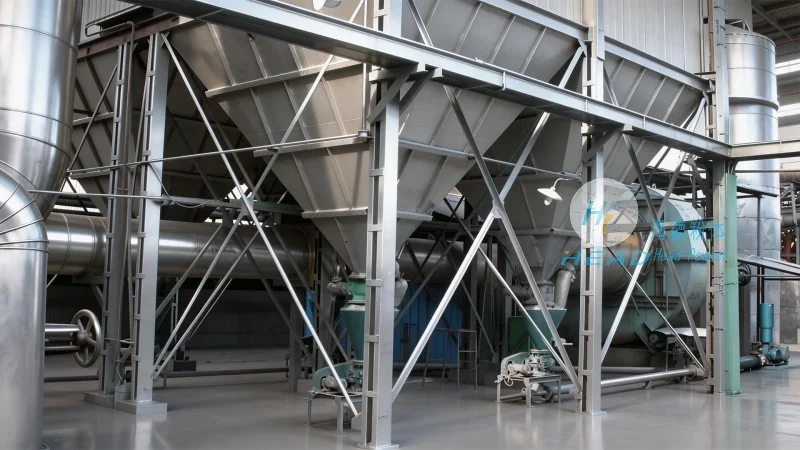
The core components of a positive electrode material pneumatic conveying system typically include a hopper for material storage, a conveying line (often with a pipeline), a blower or compressor to generate the air flow, and a receiver or collection tank. The hopper ensures a consistent feed of the powder, while the blower provides the necessary pressure or vacuum to move the material through the system. The pipeline is designed to handle the air-powder mixture, and the receiver collects the material at the destination point. Each component plays a vital role in maintaining the efficiency and reliability of the conveying process.

Working Principle of Pneumatic Conveying
The operation of a positive electrode material pneumatic conveying system involves several key steps. First, the material is fed from the hopper into the conveying line. The blower then creates an air flow, which can be either positive pressure (where air is pushed through the line) or negative pressure (where air is pulled through the line). In positive pressure systems, the air flow pushes the powder particles along the pipeline, while in negative pressure systems, the air flow draws the material. The air-powder mixture travels through the pipeline to the receiver, where the air is separated from the material, often using a cyclone or filter system. The separated powder is then collected in the receiver, and the air is either vented or recycled back into the system.
Advantages of Pneumatic Conveying for Battery Materials
There are several advantages to using pneumatic conveying systems for positive electrode materials. First, these systems are highly efficient in transporting fine powders over long distances without the need for mechanical components like belts or screws, which can cause contamination or degradation of the material. The air flow helps maintain the purity of the powder, which is crucial for battery performance. Additionally, pneumatic conveying systems are flexible and can be easily integrated into existing production lines, allowing for changes in material flow or destination without major modifications. They also offer better control over the material's moisture content and temperature, which are critical factors in battery manufacturing.
Applications in Battery Manufacturing
Positive electrode material pneumatic conveying systems are widely used in the production of lithium-ion batteries. These systems handle various cathode materials, including lithium cobalt oxide (LCO), lithium nickel manganese cobalt oxide (NMC), and lithium iron phosphate (LFP). The systems ensure that these materials are transported from storage to mixing, coating, or other processing stages with minimal loss and maximum purity. This is essential for maintaining the quality and performance of the final battery products. The systems are also used in research and development facilities to handle experimental materials, allowing for precise and controlled material handling during testing and development.

Company Overview: Shandong HeadPowder Engineering Co., Ltd.
Shandong HeadPowder Engineering Co., Ltd., commonly known as HeadPowder, is a leading provider of powder handling solutions, including pneumatic conveying systems for positive electrode materials. The company is headquartered in Shandong, China, and specializes in designing, manufacturing, and installing customized powder handling systems tailored to the specific needs of the battery industry. HeadPowder's expertise lies in understanding the unique challenges of handling fine, sensitive materials like positive electrode powders, and developing systems that ensure efficiency, reliability, and product quality. The company's solutions are used by many leading battery manufacturers worldwide, helping them optimize their material handling processes and improve overall production efficiency.