

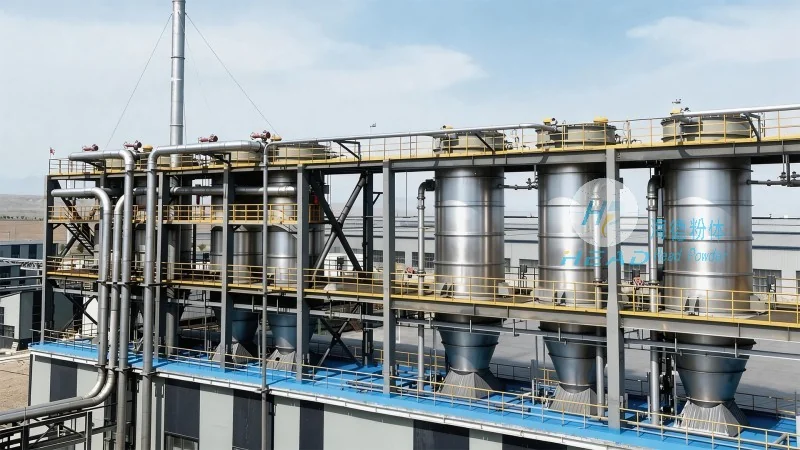
[MATCHED]Main PVA-Formaldehyde Pneumatic Conveying Structures: What Are the Primary Types?
For industrial applications involving the handling of polyvinyl alcohol (PVA) and its formaldehyde-derived products, understanding the core pneumatic conveying structures is essential. These systems are designed to efficiently transport PVA-formaldehyde materials through air-based mechanisms, ensuring safety, reliability, and optimal performance in various processing environments. The following sections explore the main structural components and configurations that define PVA-formaldehyde pneumatic conveying systems.

Core Components of PVA-Formaldehyde Pneumatic Conveying Systems
The foundation of any PVA-formaldehyde pneumatic conveying system lies in its key components, each playing a critical role in the material transport process. These components work in tandem to ensure the smooth and efficient movement of PVA-formaldehyde powders or granules. The primary elements include the material feed hopper, which stores and meters the PVA-formaldehyde feedstock; the air supply system, responsible for generating the necessary airflow to create the conveying pressure; and the conveying line, which houses the material and air as they travel from the feed point to the discharge point. Additionally, the system may incorporate a separator or cyclone to separate the conveyed material from the air stream, and a collection bin to store the processed PVA-formaldehyde product. Each component is engineered to withstand the chemical and physical properties of PVA-formaldehyde, ensuring durability and consistent performance.

Types of PVA-Formaldehyde Pneumatic Conveying Structures
There are several distinct PVA-formaldehyde pneumatic conveying structures, each tailored to specific operational requirements and material characteristics. The most common types include the positive pressure system, where air is blown into the conveying line to push the material forward; the negative pressure (or suction) system, which draws material into the line using a vacuum; and the mixed pressure system, combining elements of both positive and negative pressure to optimize performance. The choice of system depends on factors such as the material's density, flowability, and dustiness, as well as the distance and layout of the conveying path. For PVA-formaldehyde, which is often hygroscopic and sensitive to moisture, the system design must also consider moisture control and material conditioning to prevent clumping or degradation. The positive pressure system is frequently preferred for its ability to handle larger volumes and more abrasive materials, while the negative pressure system is suitable for applications requiring minimal product contamination or where the material is generated at the discharge point.
Design Considerations for PVA-Formaldehyde Pneumatic Conveying
When designing a PVA-formaldehyde pneumatic conveying system, several critical factors must be addressed to ensure optimal operation and longevity. Material compatibility is paramount, as PVA-formaldehyde can be corrosive or reactive with certain metals or coatings. Therefore, components such as hoppers, pipes, and valves are typically constructed from materials like stainless steel or specialized polymers that resist chemical attack. Additionally, the system must be designed to handle the material's moisture content, as excess moisture can lead to clogging or reduced conveying efficiency. This may involve incorporating drying or conditioning steps before the material enters the conveying line. The airflow rate and pressure are also carefully calculated to match the material's properties, ensuring that the air velocity is sufficient to keep the PVA-formaldehyde particles suspended without causing excessive wear on the system components. Proper maintenance, including regular cleaning and inspection of the conveying line and separator, is essential to prevent material buildup and maintain system performance. The system's layout, including the height and angle of the conveying line, must also be optimized to minimize energy consumption and maximize material throughput. For example, using vertical or inclined lines with appropriate bends and elbows can reduce the risk of material deposition and improve overall efficiency.
Applications of PVA-Formaldehyde Pneumatic Conveying Systems
PVA-formaldehyde pneumatic conveying systems are widely used in various industrial sectors, including the production of adhesives, coatings, and textiles. In adhesive manufacturing, PVA-formaldehyde is often used as a binder, and the conveying system ensures that the material is delivered to the mixing and processing equipment without contamination or degradation. In textile applications, the system may be used to transport PVA-formaldehyde solutions or powders to finishing lines, where they are applied to fabrics to enhance properties like water resistance or softness. The reliability and efficiency of these systems are critical in these applications, as any downtime or material loss can impact production schedules and product quality. The systems are also used in research and development settings, where precise control over the PVA-formaldehyde feed rate is necessary for experimental work. In all cases, the PVA-formaldehyde pneumatic conveying system must meet stringent quality and safety standards, ensuring that the material is handled in a manner that protects both personnel and the environment.

Conclusion and Company Overview
Understanding the main PVA-formaldehyde pneumatic conveying structures is crucial for optimizing industrial processes and ensuring the efficient handling of PVA-formaldehyde materials. The key components, types of systems, and design considerations outlined above provide a comprehensive framework for evaluating and implementing effective conveying solutions. As a leader in engineering solutions for powder handling, Shandong HeadPowder Engineering Co., Ltd. specializes in designing and manufacturing PVA-formaldehyde pneumatic conveying systems tailored to the unique needs of various industries. With a focus on durability, efficiency, and material compatibility, the company provides customized solutions that enhance productivity and reduce operational costs. Based in Shandong, China, Shandong HeadPowder Engineering Co., Ltd. leverages years of experience and advanced technology to deliver high-quality pneumatic conveying systems that meet the demands of modern industrial applications. Whether for adhesive production, textile finishing, or research purposes, the company's expertise ensures that PVA-formaldehyde materials are handled safely and effectively, supporting the success of its clients.