

Types and Practical Applications of Pneumatic Conveying Systems for Lithium Oxide Transport
HeadPowder, a leading engineering company based in Shandong, China, specializes in the design and implementation of advanced pneumatic conveying systems tailored for the transport of lithium oxide. This article explores the various types of pneumatic conveying systems used in lithium oxide handling and their practical applications, highlighting the technical solutions provided by Shandong HeadPowder Engineering Co., Ltd.

Overview of Pneumatic Conveying Systems for Lithium Oxide
Pneumatic conveying systems are essential for the efficient and safe transport of lithium oxide, a critical material in modern battery production and energy storage applications. These systems utilize air or other gases to move powders through pipelines, offering advantages such as reduced dust exposure, improved process control, and enhanced safety compared to traditional mechanical conveying methods. The choice of system type depends on factors like material properties, process requirements, and operational conditions, making it crucial to select the most suitable solution for each specific application.
Types of Pneumatic Conveying Systems for Lithium Oxide
There are several types of pneumatic conveying systems commonly used for lithium oxide transport, each with distinct characteristics and applications. The primary categories include:
1. Dilute Phase Pneumatic Conveying
Dilute phase systems operate by suspending the lithium oxide particles in a high-velocity air stream, typically at velocities exceeding 20 m/s. This method is ideal for long-distance transport and is suitable for materials with good flowability. The system uses low-pressure air and can handle large volumes of material efficiently. However, it may require larger air volumes and is more susceptible to pressure drops over long distances.
2. Dense Phase Pneumatic Conveying
Dense phase systems transport lithium oxide in a more concentrated form, using lower air velocities (typically 5-15 m/s) and higher air pressures. This approach minimizes particle degradation and is suitable for materials that are sensitive to high velocities or for short to medium distance transport. Dense phase conveying is particularly effective for handling materials with poor flowability or those that require gentle handling to prevent agglomeration.

3. Hybrid Pneumatic Conveying Systems
Hybrid systems combine elements of both dilute and dense phase operations, offering flexibility in handling different material characteristics and process requirements. These systems can switch between phases as needed, providing optimal performance for complex transport scenarios. For lithium oxide, hybrid systems are often used in applications where both long-distance and gentle handling are required, such as in battery manufacturing plants.
Practical Applications of Pneumatic Conveying Systems for Lithium Oxide
The practical applications of pneumatic conveying systems for lithium oxide are widespread across various industries. Key applications include:
1. Battery Manufacturing Plants
In battery production, lithium oxide is a key raw material used in the synthesis of cathode materials. Pneumatic conveying systems are used to transport lithium oxide from storage silos to mixing and processing equipment. The systems ensure consistent material flow, maintain process control, and minimize contamination risks. For example, in large-scale battery factories, dense phase systems are preferred to handle the material gently and prevent particle degradation during transport.
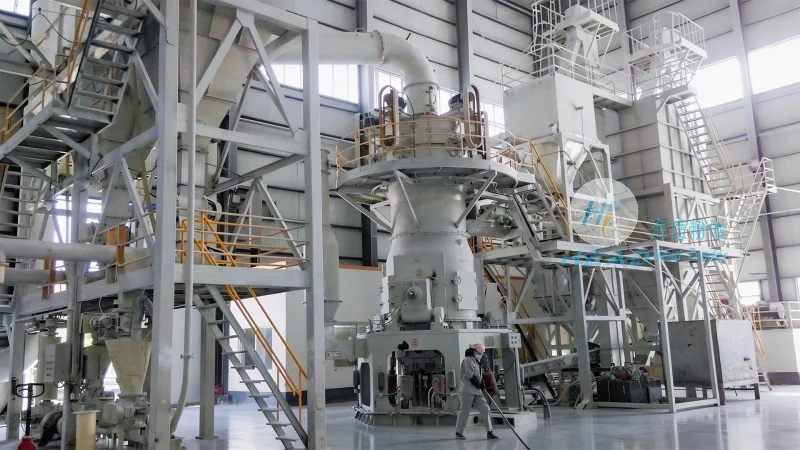
2. Chemical Processing Facilities
Lithium oxide is also used in chemical processing for the production of lithium compounds and other specialty chemicals. Pneumatic conveying systems are employed to move the material between reactors, reactors, and storage tanks. The systems help maintain a continuous flow of material, ensuring smooth operation of chemical processes. Dilute phase systems are often used in these applications due to their ability to handle large volumes over moderate distances.
3. Mining and Processing Operations
In mining operations, lithium oxide is extracted from ore and processed into a powder form. Pneumatic conveying systems are used to transport the processed lithium oxide from processing plants to storage or shipping facilities. The systems are designed to handle abrasive and dusty materials, ensuring reliable operation in harsh environments. Dense phase systems are commonly used in mining to protect the material from damage and to maintain consistent quality.
Technical Solutions by Shandong HeadPowder Engineering Co., Ltd.
Shandong HeadPowder Engineering Co., Ltd. provides comprehensive technical solutions for pneumatic conveying systems tailored to the specific needs of lithium oxide transport. The company's expertise includes system design, material handling analysis, and equipment selection based on the unique properties of lithium oxide. HeadPowder engineers work closely with clients to assess process requirements, evaluate existing infrastructure, and recommend the most efficient and cost-effective conveying solutions. The company's solutions are designed to meet industry standards for safety, efficiency, and environmental compliance.
Conclusion
Pneumatic conveying systems play a vital role in the efficient and safe transport of lithium oxide, a critical material in modern industrial applications. The choice of system type depends on factors such as material properties, transport distance, and operational requirements. By leveraging advanced engineering and technical expertise, companies like Shandong HeadPowder Engineering Co., Ltd. can provide customized solutions that optimize material handling processes and enhance overall operational performance. As the demand for lithium oxide continues to grow, the importance of reliable and efficient conveying systems will remain paramount in ensuring smooth production and supply chains.